

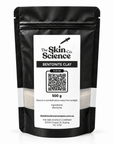

Bentonite Clay
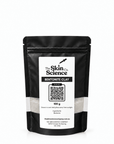
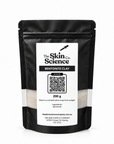
Description: Bentonite Clay is a cosmetic-grade sodium bentonite (INCI: Bentonite), a fine, light grey to beige powder formed from volcanic ash. It swells and thickens when mixed with water and is one of the most absorbent cosmetic clays, so it takes up excess oil from the surface of the skin. Formulators use it in oil-absorbing face masks, clarifying hair masks, scrubs and soaps, and as a natural thickener in formulations. Available in 100g, 200g and 500g, with 1kg to 20kg on our Bentonite Clay Wholesale page.
Why It’s Special:
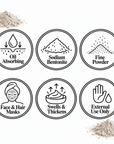
- Highly Absorbent: Takes up excess oil, which suits masks for oily and combination skin and leaves skin feeling fresh and clean.
- Swells and Thickens: Builds body in masks, scrubs and some water-based products.
- Versatile: Used in face masks, hair masks, scrubs, soaps and bath products.
How to Enjoy Bentonite Clay: For a face mask, mix 1 part clay with 2 parts water or Rose Hydrosol into a smooth paste. Add the clay to the liquid, not the other way around, and stir until smooth; a glass, plastic or wooden bowl and spoon are easiest to clean and are better than metal. Apply, leave for about 10 minutes (5 to 10 minutes for oily skin), and rinse off while it is still slightly damp. Should you let the mask dry completely? No. Letting it dry fully and crack can leave skin feeling tight. Adjust the liquid to suit your skin: for oily skin, use water or rose hydrosol once or twice a week. For normal or combination skin, use equal parts water and Aloe Vera Gel for a softer, creamier paste, or apply it only to the T-zone. For drier skin, blend half and half with Kaolin Clay, add a few drops of carrier oil and use once a week or less. If skin feels tight afterwards, use it less often or shorten the time. Suitable for most skin types; patch test first.
Creative Inspirations:
- Clay Face Masks: Use at 20 to 50% in a powder mask mix, or 5 to 20% in a ready-made clay mask.
- Clarifying Hair Masks: Mix into a thin paste, apply to the scalp and lengths, leave for 10 to 15 minutes, then rinse well.
- Handmade Soap: Add about 1 teaspoon per 500g of oils for extra slip and a smooth bar.
Key Insights:
- Ingredients: Bentonite Clay
- INCI Name: Bentonite
- Sourced With Care: Cosmetic-grade sodium bentonite, a naturally occurring clay formed from volcanic ash.
- Optimal Use: Face masks (powder mix) 20 to 50% with water or hydrosol, ready-made clay masks 5 to 20%, thickener in water-based formulas 1 to 5%, soap about 1 teaspoon per 500g of oils.
- Texture: A fine, light grey to beige powder that swells into a smooth paste with water.
- Fragrance: Unscented.
- Shelf Life: At least 12 months when kept sealed and dry.
Additional Information:
- Storage: Keep tightly sealed in a cool, dry place to stop it absorbing moisture and clumping.
- Documentation: COA and SDS available on request.
- Ethical Commitment: Cruelty-free. Not tested on animals.
Making It Work: In formulations, disperse the clay slowly into water while stirring and allow time for it to fully hydrate before adding other ingredients. Is bentonite clay good for oily skin? It is one of the most absorbent clays, which is why it is popular in masks for oily and combination skin. For sensitive or dry skin, kaolin clay is the gentler choice. Can I eat bentonite clay? No. This is a cosmetic-grade clay for external use only. Need larger quantities? 1kg to 20kg sizes are on our wholesale page.
Responsibility Reminder: Suitable for most skin types; patch test first and avoid the eye area. For personalised advice on using clay in your routine or formulations, consult a skincare professional.
Disclaimer: This is a natural product; variations in colour and texture may occur. For external, cosmetic use only. This product is not intended to diagnose, treat, cure or prevent any disease. Please consult a healthcare professional for advice on specific skin concerns.